
PropTech / Real Estate
IoT building management for 12 office towers: one platform and one tenant app
We unified HVAC, access control and tenant services for 12 commercial towers in one IoT building management and mobile platform, cutting maintenance response from 36 hours to under 3 and energy costs by 19%.
Published
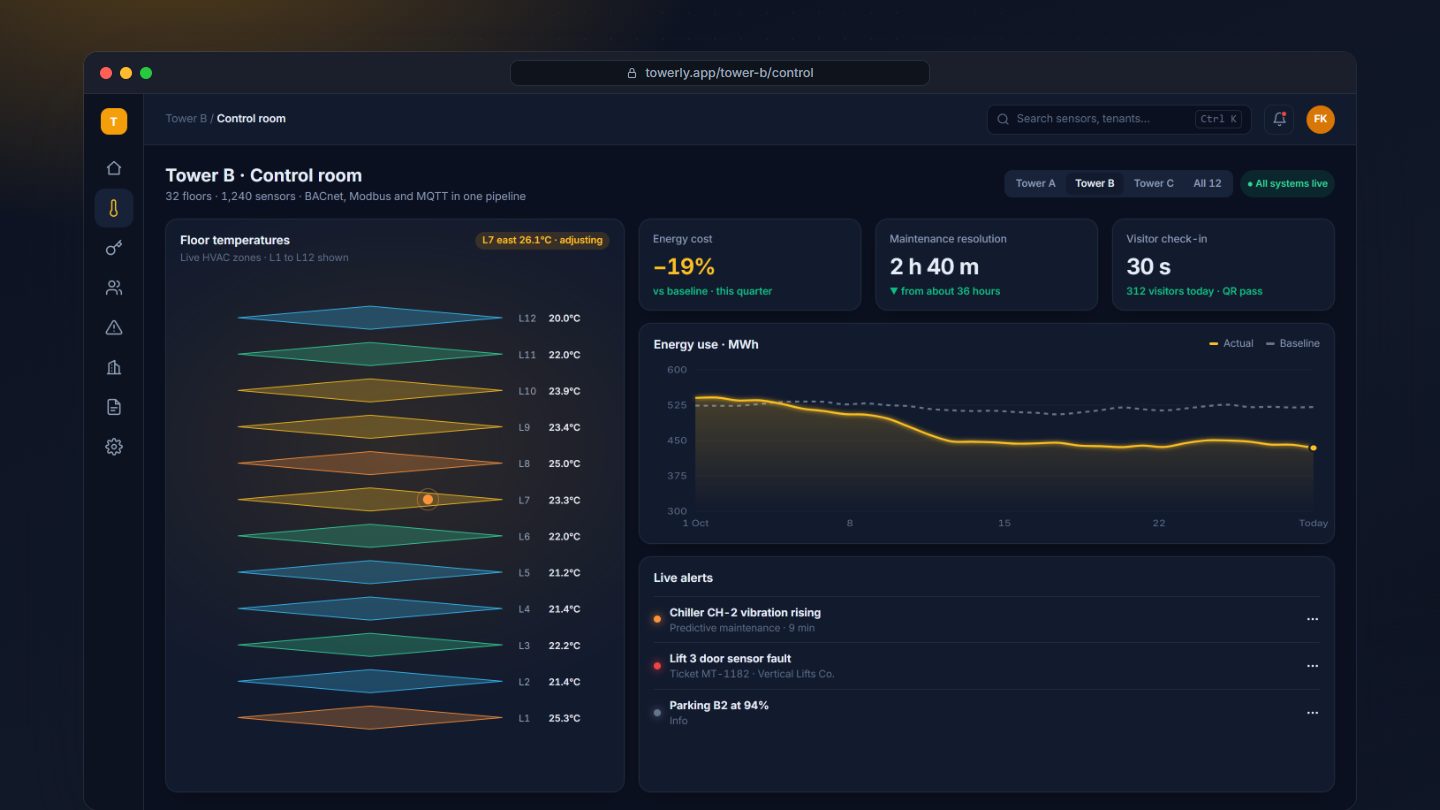
<3 hrs
maintenance resolution, down from about 36 hours
19%
lower building energy costs
30 sec
visitor check-in, down from 4 minutes
Project snapshot
- Client
- Commercial real estate asset management firm
- Industry
- PropTech & Real Estate Management
- Region
- India & Middle East
- Year
- 2026
- Scale
- 12 commercial office towers spanning 3 million sq ft
- Timeline
- 6 months
- Engagement
- Time and materials
The challenge
The firm ran its office towers on paper visitor logs, separate HVAC control systems and slow tenant maintenance ticketing. Operating overhead was high and tenants were unhappy.
Energy bills were higher than they needed to be, facility complaints got slow responses and security desks were cumbersome to run.
Separate tools for parking, visitor management and HVAC could not talk to each other.
What we did
Phase 1: One IoT gateway
We built a unified building management gateway integrating BACnet HVAC and smart access control sensors.
Why: For centralized, automated energy optimization and remote monitoring.
Phase 2: A tenant mobile app
We built a cross-platform tenant app for instant visitor passes and maintenance tickets.
Why: So tenants can help themselves and facility issues get resolved faster.
Phase 3: Energy analytics
We built automated utility metering and energy consumption dashboards.
Why: To help property managers spot energy waste and cut utility costs.
Phase 4: Leases and rent
We integrated digital lease management and automated rent collection.
Why: To remove manual accounting work and simplify renewals.
The hard part
Three sensor protocols, one pipeline
We had to standardize BACnet, Modbus and MQTT sensor data into a single cloud ingestion pipeline without losing data.
How we kept risk low
We ran the IoT gateway in shadow mode next to the legacy building systems for two weeks before the full switchover.
The solution
Sensors and HVAC units send telemetry over MQTT to an Azure IoT Hub back end. The tenant app is built in Flutter and talks to a scalable .NET Core microservices back end. Property managers run operations from a React.js dashboard backed by TimescaleDB time-series storage.
Tech stack
- Back end
- .NET Core, MQTT broker (IoT telemetry)
- Front end
- React.js (admin portal), Flutter (iOS and Android)
- Database
- PostgreSQL, TimescaleDB (sensor data)
- Cloud
- Microsoft Azure (IoT Hub, App Service, Cosmos DB)
- DevOps
- GitHub Actions, Docker
- AI
- Predictive HVAC anomaly detection
- Other
- Stripe Connect, SendGrid
Results
| Metric | Before | After | How it was measured |
|---|---|---|---|
| Maintenance ticket resolution | About 36 hours | Under 3 hours | Tenant portal ticket timestamps |
| Building energy costs | Baseline consumption | 19% reduction | Monthly electricity and HVAC utility bills |
| Visitor check-in | 4 minutes (manual log) | 30 seconds (QR pass) | Security desk audit logs |
Higher tenant lease renewals and greater operational transparency for property investors.
What the client said
Vincera’s PropTech platform revolutionized how we manage our commercial towers. Energy costs are down significantly, and our tenants love the new mobile portal.
Lessons learned
We would test hardware in the basement server rooms on site earlier in the project.
What’s next
AI-driven predictive maintenance alerts for elevators and chillers.
Related case studies
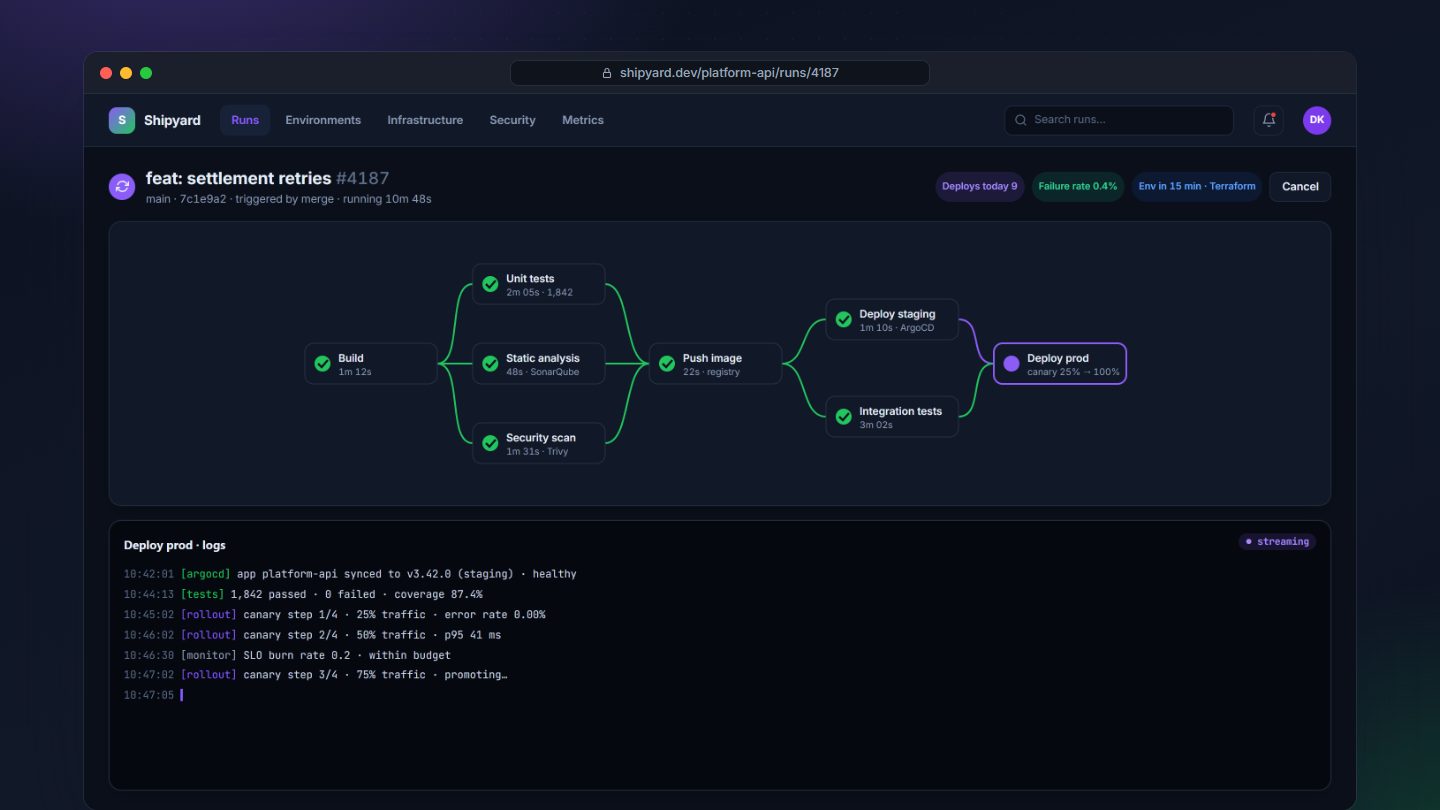
Cloud Infrastructure / DevOps
DevOps modernization: from three-week releases to deploying several times a day
- Challenge
- Manual deployments and inconsistent environments meant releases took over three weeks and configuration drifted between stages.
- Outcome
- Infrastructure as code and automated CI/CD on AWS and Azure now let the team release several times a day.
Read the case study: DevOps modernization: from three-week releases to deploying several times a day
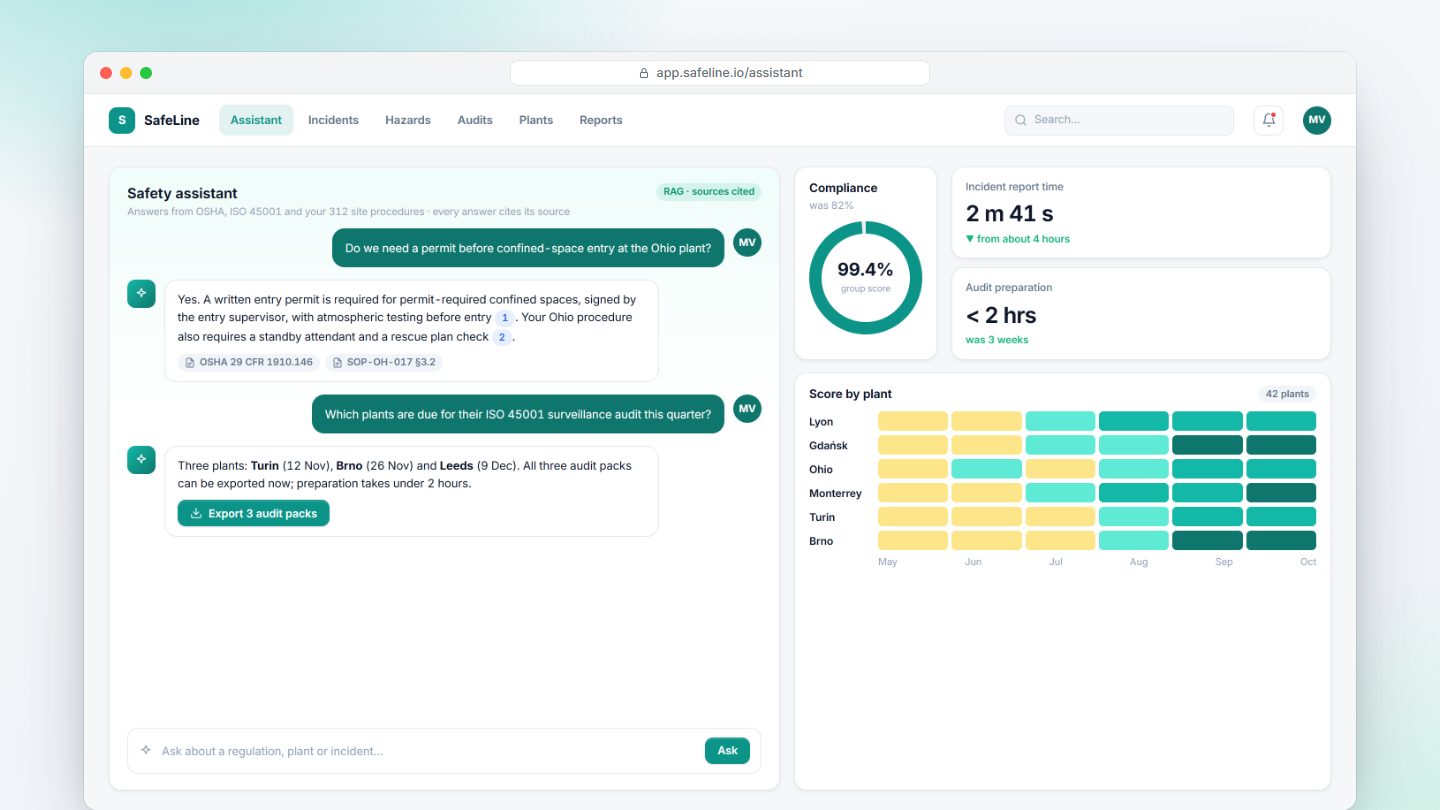
EHS / Enterprise SaaS
An AI-powered workplace safety and compliance platform for 40+ plants
- Challenge
- Paper audits, spreadsheets and disconnected tools left safety teams without real-time visibility across dozens of plants.
- Outcome
- A multi-tenant SaaS platform with offline-first mobile reporting and AI document search cut incident reporting from about 4 hours to under 3 minutes.
Read the case study: An AI-powered workplace safety and compliance platform for 40+ plants