
EdTech / E-Learning
A live virtual classroom that lifted course completion from 54% to 88%
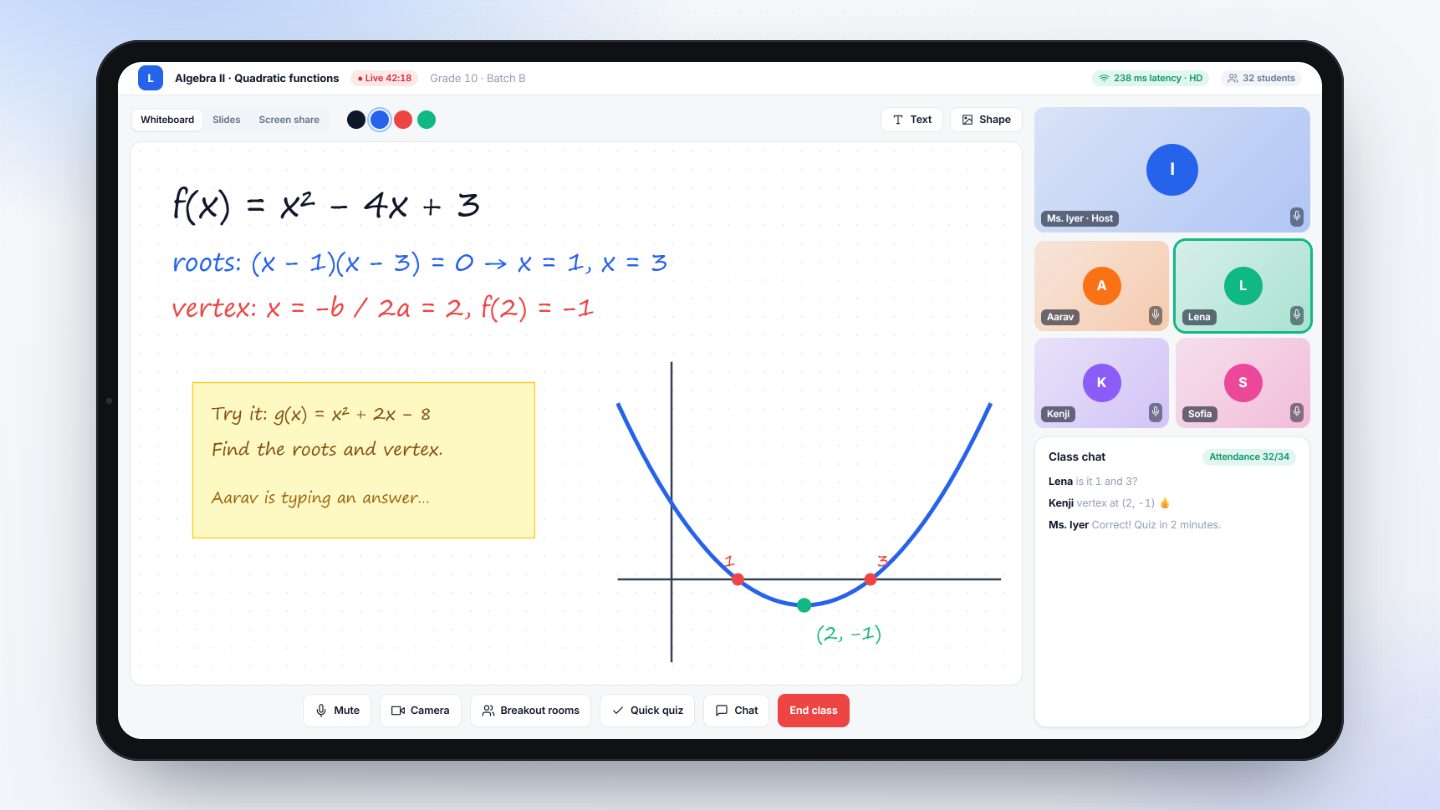
We built a low-latency WebRTC virtual classroom, a collaborative whiteboard and an offline-capable mobile app for a global academy, cutting video latency from 2.8 seconds to under 250ms.
Published
<250ms
video latency, down from 2.8 seconds
88%
course completion, up from 54%
0.1%
mobile crash rate, down from 4.2%
Project snapshot
- Client
- Global K-12 and test preparation academy
- Industry
- EdTech & E-Learning
- Region
- Asia-Pacific & North America
- Year
- 2026
- Scale
- 100,000+ active students across multiple time zones
- Timeline
- 5 months
- Engagement
- Fixed scope
The challenge
The academy’s virtual classroom suffered from high video latency and frequent disconnections at peak study hours. Its interactive whiteboard tools were limited.
Student churn was high and course completion low. Peak exam-prep seasons brought poor reviews and heavy support costs.
Third-party white-label video plugins did not integrate with the academy’s own quizzing and progress database.
What we did
Phase 1: Ultra-low latency video
We integrated a WebRTC streaming architecture.
Why: So interaction stays real-time, without audio or video lag, for students worldwide.
Phase 2: A mobile app that works offline
We built cross-platform React Native apps with offline quiz sync.
Why: So students in low-bandwidth regions can download modules and finish assignments offline.
Phase 3: A shared whiteboard
We built a real-time collaborative whiteboard with SignalR and HTML5 Canvas.
Why: So tutors and students can annotate equations and diagrams together instantly.
Phase 4: Engagement analytics
We added automated attendance tracking and gamified engagement dashboards.
Why: To help teachers spot struggling students early and improve retention.
The hard part
Unstable mobile networks
We had to degrade gracefully when students on unstable mobile data hit bandwidth limits during live classes.
How we kept risk low
We rolled out the new streaming infrastructure region by region using canary routing rules.
The solution
Live sessions stream through WebRTC media servers deployed at global edge nodes. .NET Core Web APIs and SignalR hubs handle real-time chat and whiteboard data. Assignments and course videos sit in Azure Blob Storage and are served securely through CDN edge caching.
Tech stack
- Back end
- .NET Core Web API, SignalR
- Front end
- React.js, React Native, Tailwind CSS
- Database
- PostgreSQL, Redis (sessions)
- Cloud
- Microsoft Azure (App Service, Media Services, Blob Storage)
- DevOps
- GitHub Actions, Docker
- AI
- OpenAI Whisper (lecture transcription and summaries)
- Other
- Agora WebRTC SDK, Stripe subscription billing
Results
| Metric | Before | After | How it was measured |
|---|---|---|---|
| Video stream latency | 2.8 seconds | Under 250ms | WebRTC stats and connection telemetry |
| Course completion rate | 54% | 88% | LMS completion analytics |
| Mobile app crash rate | 4.2% | 0.1% | App Center crash reports |
A noticeable rise in organic student sign-ups and strong reviews of the classroom experience.
What the client said
Our online classes are now buttery smooth. The ultra-low latency video and interactive whiteboards have completely transformed our student engagement scores.
Lessons learned
Adding adaptive bitrate switching earlier would have helped low-bandwidth users sooner.
What’s next
AI-driven study path recommendations based on quiz performance.
Related case studies
PropTech / Real Estate
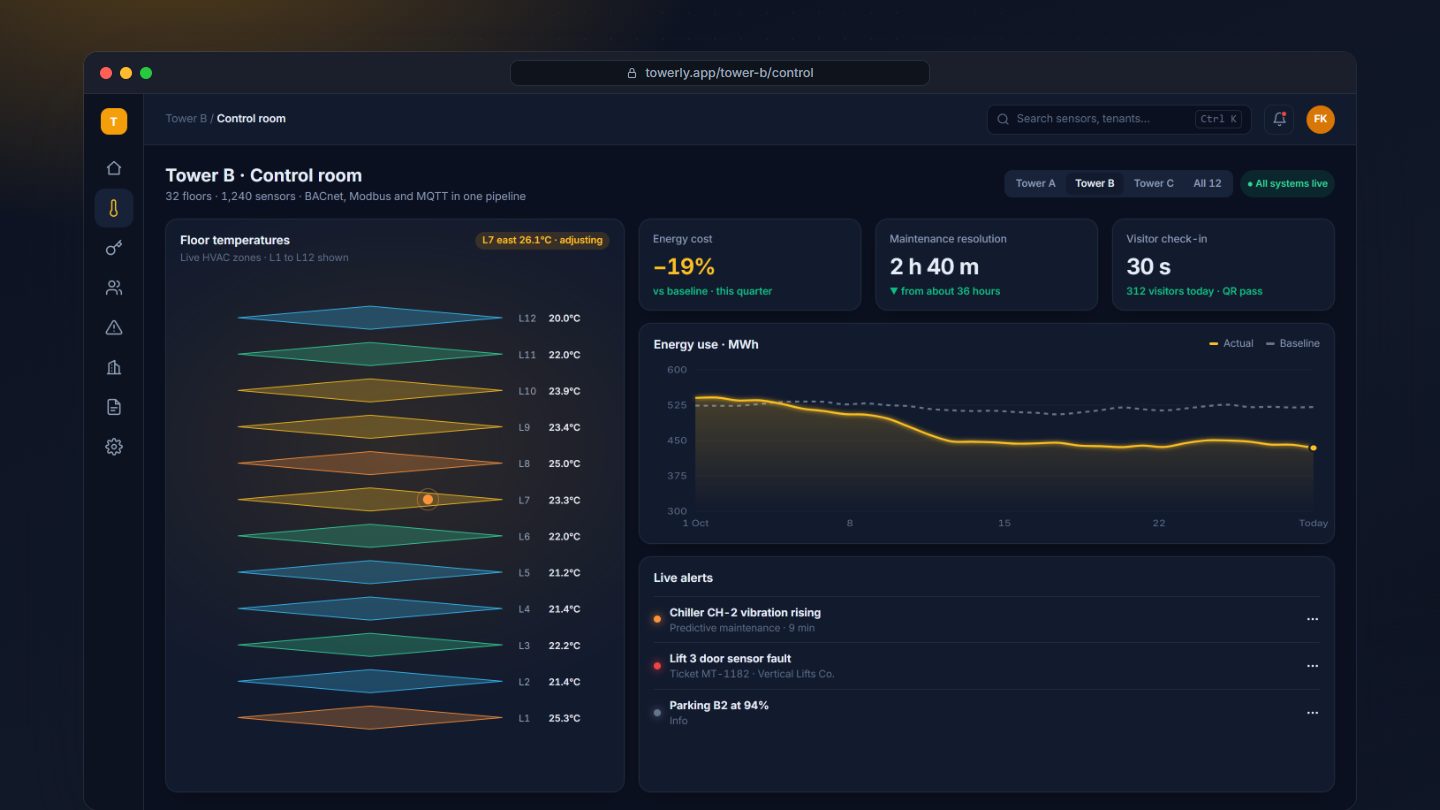
IoT building management for 12 office towers: one platform and one tenant app
- Challenge
- Paper visitor logs, fragmented HVAC controls and slow maintenance ticketing drove up operating costs and tenant frustration.
- Outcome
- A unified IoT platform and tenant app cut maintenance resolution to under 3 hours and building energy costs by 19%.
Read the case study: IoT building management for 12 office towers: one platform and one tenant app
E-Commerce / Logistics
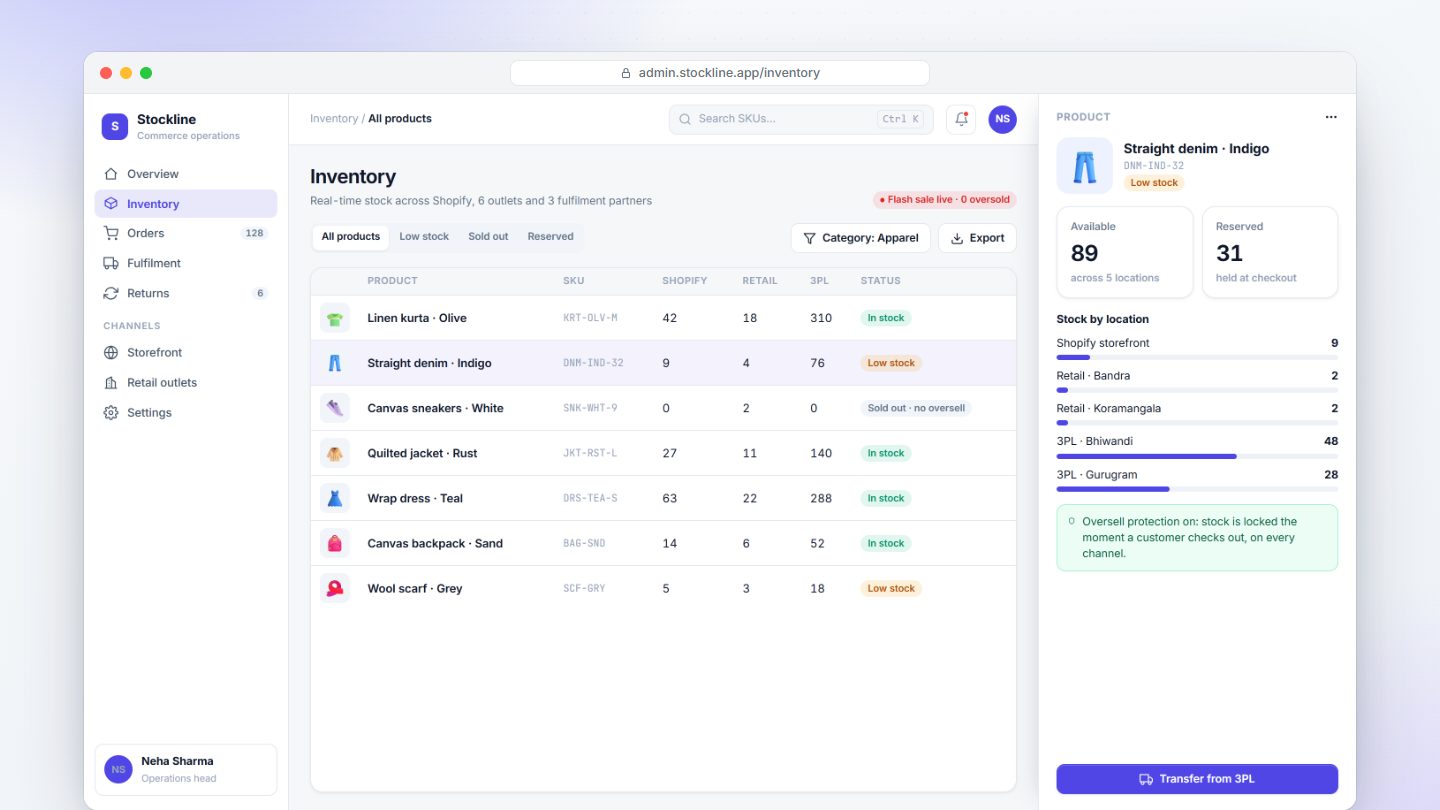
Headless e-commerce and real-time inventory sync for a D2C apparel brand
- Challenge
- Inventory was out of sync between the Shopify store, retail outlets and logistics partners, so flash sales led to overselling and late deliveries.
- Outcome
- A real-time inventory hub and headless storefront removed overselling and cut fulfillment processing from 24 hours to under 2.
Read the case study: Headless e-commerce and real-time inventory sync for a D2C apparel brand